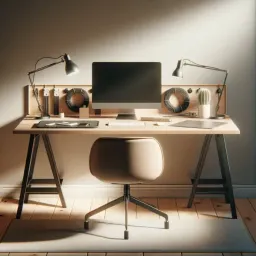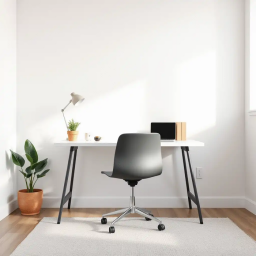
Hybrid Workspaces
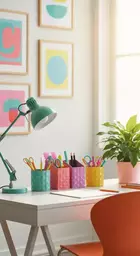
Flexible layouts that accommodate various working styles, promoting collaboration and adaptability.
Subscribe to Tidy Workspace Lab for expert tips and updates on creating a clutter-free workspace.
Posted on: 2026-03-20
By: Maya J. Ellison
As we navigate through the evolving landscape of work, understanding the latest trends in workspace design becomes crucial for fostering productivity and employee satisfaction. What changes can you implement in your own office to create an engaging and efficient environment?
Key insights that are redefining workspace design this year.
Flexible layouts that accommodate various working styles, promoting collaboration and adaptability.
Open plans and huddle areas designed for teamwork, enhancing communication and idea sharing.
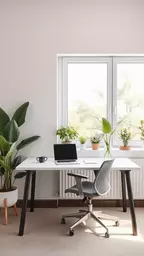
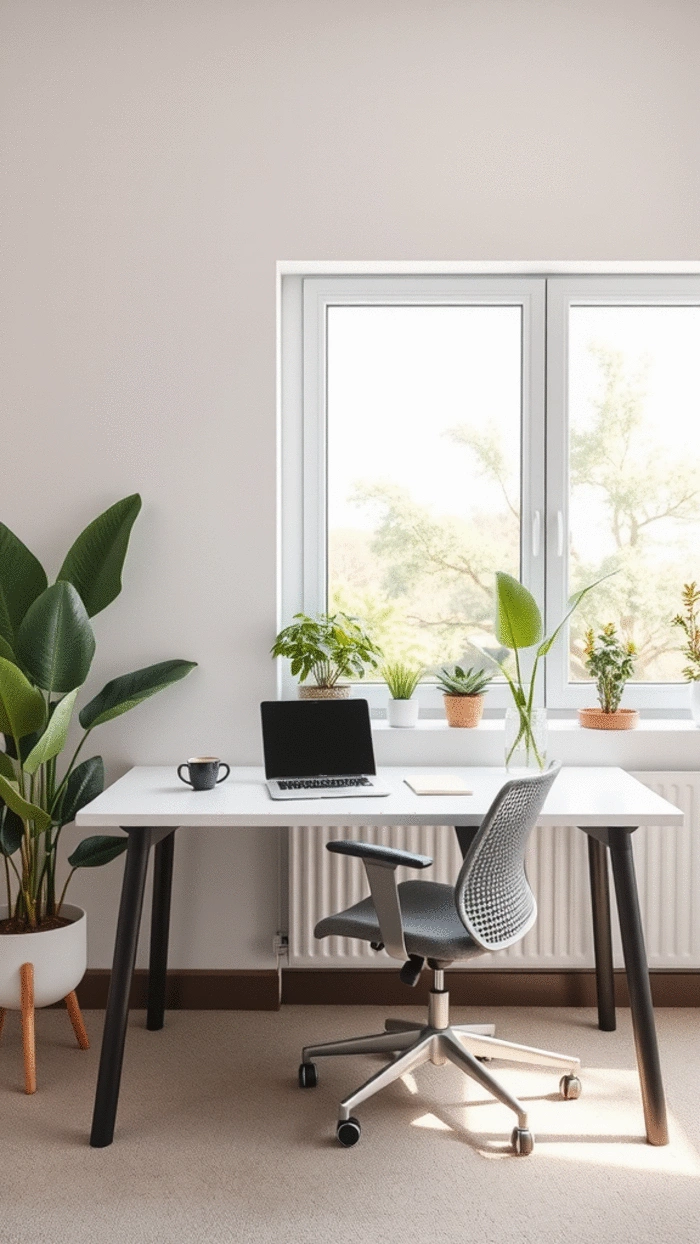
Incorporating natural elements to enhance well-being and productivity, such as plants and natural light.
Using automation to support hybrid meetings and enhance productivity, such as video conferencing tools.
Activity-based furniture that promotes movement and supports physical health, like stand-up desks.
Using eco-friendly materials and energy-efficient practices to foster a sustainable workspace.
👉 Need the big picture? Read the Complete Setup ideas & Inspiration Guide.
Design principles that prioritize employee health, improving engagement and morale.
Are you ready to transform your workspace into a h
Are you feeling overwhelmed by clutter in your wor
Utilizing sound management strategies in open floor plans for a comfortable environment.
Flexible designs that adapt to changing workforce needs and preferences.
As we step into 2023, the concept of workspace design is evolving rapidly. It is no longer just about aesthetics; it's about creating spaces that enhance productivity and boost employee satisfaction. Modern workspace design is a fusion of functionality and style, reflecting the needs of a diverse workforce.
From the open-plan offices of the past to today’s versatile setups, the evolution of workspace design has been influenced heavily by how we work and interact. With companies like Tidy Workspace Lab focusing on organization and efficiency, it's clear that today's workspaces are about more than just a desk and chair. They’re about creating an environment that fosters creativity and reduces distractions.
Several key factors are driving the changes we see in workspace design. First and foremost, the impact of the COVID-19 pandemic has led to major adaptations. Businesses are now prioritizing health and safety alongside productivity. As a result, we’ve seen a rise in hybrid work models that blend remote and in-office work.
These trends have redefined how spaces are used, emphasizing the need for flexible and functional designs. At Tidy Workspace Lab, we believe that a well-organized space can significantly improve the way you work and feel, making it essential to stay ahead of these trends!
The shift to hybrid workspaces is one of the most significant trends of 2023. Companies are adapting their office layouts to accommodate both remote and in-office employees. This includes flexible layouts that support hot-desking and collaborative environments.
Organizations are now using various configurations to create spaces that cater to different work styles. Here are some popular layouts you might consider:
As a workspace organization expert, I find that when employees can adapt their environment to their needs, productivity tends to soar. It's all about flexibility and functionality!
Another vital trend is the emphasis on collaborative environments. Open plans and huddle areas encourage teams to work together and share ideas. This design approach fosters a sense of community and enhances communication.
By creating spaces that prioritize collaboration, companies can cultivate a culture of teamwork. The more connected employees feel, the more likely they are to engage and innovate!
Biophilic design is gaining traction in modern workplaces, and for a good reason! This design philosophy focuses on incorporating natural elements into the workspace, promoting well-being and productivity. Think of abundant plants, natural light, and calming water features!
Some benefits of biophilic design include:
By embracing biophilic design, workspaces can become more inviting and rejuvenating, which is essential for employee well-being.
Smart technology is revolutionizing how we work. In 2023, integrating advanced AV technology and automation into office designs is becoming increasingly common. This allows for seamless communication and enhances productivity, especially in hybrid settings.
At Tidy Workspace Lab, we understand the importance of these tools in creating a more efficient workspace. It’s all about making work life easier and more connected!
As more of us work from home or adopt flexible schedules, ergonomics has become a key focus in design. Activity-based furniture, such as stand-up desks and treadmill desks, promotes physical health and engagement.
By prioritizing ergonomics in workspace design, companies can foster a healthier workforce, which translates to higher productivity and satisfaction.
Sustainability is a significant consideration in modern workspace design. Many companies are choosing eco-friendly materials and adopting a "resimercial" style, which blends residential comfort with commercial functionality.
At Tidy Workspace Lab, we believe that designing with sustainability in mind not only benefits the environment but also creates a positive image for your brand!
Finally, designing with employee wellness in mind is crucial. Incorporating wellness-focused strategies into workspace layouts can significantly impact engagement and morale.
Creating a workspace that prioritizes wellness not only helps employees feel better but also encourages them to be more engaged in their work. It's all about creating a balanced, enjoyable work environment!
As open floor plans become more popular, sound management is critical. Utilizing acoustic solutions can help create a comfortable and productive work environment.
By implementing these solutions, companies can enhance focus and comfort in open spaces, making it easier for employees to concentrate on their tasks.
Modular workstations have become essential for modern office design. They offer flexibility and adaptability, allowing spaces to evolve with changing workforce needs.
At Tidy Workspace Lab, we recognize that flexibility is key in today's fast-paced work environment. Modular designs empower businesses to adapt and thrive!
Did you know that incorporating adjustable lighting in your workspace can significantly enhance employee productivity? Studies show that access to natural light and adjustable artificial lighting can lead to a 20% increase in focus and overall job satisfaction. Consider including smart lighting solutions that adjust based on the time of day or the tasks being performed, creating a more adaptable and inviting work environment!
As we wrap up our exploration of modern workspace design trends for 2023, it's clear that the landscape is shifting rapidly. The core trends we’ve discussed—*hybrid workspaces*, *collaborative environments*, and *biophilic design*—are not just passing fads; they are reshaping how we work and interact. These elements are essential in creating spaces that foster both productivity and employee satisfaction!
In today’s world, where the *balance between remote and in-office work* is crucial, embracing technology and sustainable practices can make all the difference. A workspace that combines flexibility, comfort, and aesthetic appeal can lead to happier employees, which ultimately drives success for any organization.
Let’s take a moment to highlight the essential trends shaping modern workspaces this year:
These trends are not just about aesthetics; they are about creating environments that support *mental and physical health*. By integrating these insights, we can help shape workspaces that truly reflect the needs of their users.
Now that you’re aware of these exciting trends, it’s time to assess your own workspace! Take a close look at your current setup and think about how you can incorporate these ideas. Here are some steps to get started:
At *Tidy Workspace Lab*, we believe that making these changes can lead to a more *productive* and *enjoyable work environment*. Remember, your workspace can be a reflection of your values and priorities—let's make it a positive one!
Before diving into redesigning your workspace, you likely have some questions. Here are answers to some frequently asked questions to guide you:
Key trends include hybrid workspaces, collaborative environments, biophilic design, smart technology integration, focus on ergonomics, sustainability, employee wellness considerations, acoustic solutions, and modular workstations. Many of these trends are highlighted in articles discussing workplace design trends for 2023, offering further insights into creating modern and effective office spaces.
Focus on open plans, designated huddle areas, and breakout rooms to encourage spontaneous interactions and teamwork sessions. These spaces foster a sense of community and enhance communication among employees.
Biophilic design enhances mood and focus, improves air quality, and reduces stress by incorporating natural elements such as plants and natural light. These elements contribute to a more inviting and rejuvenating workspace.
Ergonomics is crucial as it promotes physical health and engagement. Activity-based furniture like stand-up desks and adjustable chairs support good posture and encourage movement throughout the day, fostering a healthier and more productive workforce.
Sustainability is a significant consideration, with many companies choosing eco-friendly materials and energy-efficient practices. This not only benefits the environment but also creates a positive image for your brand.
Starting an office redesign can feel overwhelming, but it doesn't have to be! Here are some practical steps to help you get going:
These steps can guide you in creating a workspace that truly represents your team’s aspirations.
Collecting employee feedback is vital in creating a successful workplace. When employees feel heard, it leads to greater satisfaction and productivity. Here are some ways to gather their insights:
Involving employees in the design process not only increases engagement but also fosters a sense of ownership over their workspace!
The colors in your office can significantly influence mood and productivity. Here are some color choices and their effects:
Choosing the right colors can create an inviting atmosphere that encourages collaboration and creativity within the workspace.
Effective workspace design plays a crucial role in promoting work-life balance. Here are some design elements that can help achieve this balance:
By prioritizing balance in our workspace design, we can contribute to overall employee happiness and productivity!
Here is a quick recap of the important points discussed in the article: